Adsterra

https://www.highperformancecpm.com/syw41wpw?key=53b01f72ff34bac6b4de5ba3c6fcd3fd

Monday, 23 August 2021

Garlic the bubbly goodness


Garlic

The bubbly goodness

Introduction

Garlic is a species of bulbous flowering plant in the onion genus Allium. Its close relatives include the onion, shallot, leek, chive, Welsh onion and Chinese onion.

Fresh garlic is a common seasoning across the world, It is used as a condiment and traditional medicine.

Typically the bulbs contain between 10 to 20 cloves, but this can change depending on the variety. The cloves have a strong aroma and are covered in thin sheathing leaves. It is grown for its distinctive taste and health benefits.

This tasty, fragrant veggie does more than make your meal delicious, Garlic contains sulfur compounds, and is loaded with tons of vitamins and minerals like manganese, selenium, vitamin C, vitamin B6, and other antioxidants, including allicin. 

The enzyme alliinase, which converts alliin into the beneficial allicin, only works under certain conditions. It can also be deactivated by heat. The way garlic is processed or prepared can really change its health benefits. Most of its health benefits are caused by sulfur compounds formed when a garlic clove is chopped, crushed or chewed.

The most famous of those is allicin. However, allicin is an unstable compound that is only briefly present in fresh garlic after it’s been cut or crushed.

Other compounds that may play a role in garlic’s health benefits include diallyl disulfide and s-allyl cysteine. The sulfur compounds from garlic enter the body from the digestive tract and travel all over the body, where it exerts its potent biological effects.

Crushing garlic and allowing it to stand for 10 minutes before cooking can help prevent the loss of its medicinal properties. However, throughout ancient history, the main use of garlic was for its health and medicinal properties.

NOTE: Short-term heating reduces the anti-inflammatory effects of fresh raw garlic extracts. This may be a problem for some people who do not like or cannot tolerate the taste and/or aroma of fresh garlic.

HOW TO MAXIMIZE THE BENEFITS OF GARLIC

Here are a few ways to maximize the health benefits of Garlic:

* Crush or slice all your garlic before you eat it. This increases the allicin content.

* Before you cook with your crushed garlic, let it stand for 10 minutes.

* Use a lot of garlic — more than one clove per meal, if you can.

* Another easy way to increase your garlic intake is by taking a supplement.

However, be cautious, as there are no regulated standards for garlic supplements. That means the allicin content and quality can vary, and so can the health benefits.

To maximize these benefits, it is best to consume raw garlic or aged garlic extract.
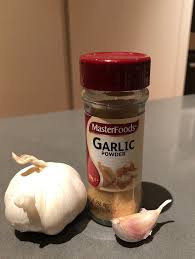
Garlic is a commonly used food and flavoring agent. When used as a food product, garlic is not likely to produce health benefits or side effects. When used as a medicinal product, garlic may produce both desired and unwanted effects on the body.

Garlic is divided into two main subspecies:

• Softneck Garlic(Allium sativum sativum)

• Hardneck Garlic(Allium sativum ophioscorodon).

There are eleven (11) general groupings, or "types", among the hardneck and softneck, which in turn have their own specific selections or "cultivars" (cultivated varieties).

For the hardneck types you may see:

• Asiatic

• Creole

• Glazed Purple Stripe

• Marbled Purple Stripe

• Middle Eastern

• Porcelain

• Purple Stripe

• Rocambole

• Turban.

For the Softneck types you may see:

• Artichoke

• Silverskin cultivars.

There are two major differences:-

• Softneck garlic – no center stalk.

• Hardneck garlic – center stalk present.


GARLIC NUTRITION FACTS

Garlic is highly nutritious but has very few calories.

One clove (3 grams) of raw garlic contains:-

• Manganese: 2% of the Daily Value (DV).

• Vitamin B6: 2% of the DV.

• Vitamin C: 1% of the DV.

• Selenium: 1% of the DV.

• Fiber: 0.06 grams.

• Fat: 0.01g.

• Carbohydrates: 0.93g.

• Natural sugars: 0.03g.

• Calcium: 5 milligrams (mg)

• Iron: 0.05mg (0.03% DV).


USES AND BENEFITS OF GARLIC.

• Hardening of the arteries (atherosclerosis) - Taking garlic powder by mouth, alone or with other ingredients, seems to help slow hardening of the arteries.

• Diabetes - Taking garlic powder by mouth seems to reduce pre-meal blood sugar levels by a small amount in people with or without diabetes. It seems to work best if it is taken for at least 3 months. It's unclear if garlic reduces post-meal blood sugar levels or HbA1c levels.

• High levels of cholesterol or other fats (lipids) in the blood (hyperlipidemia)- Taking garlic by mouth daily for at least 8 weeks might reduce total cholesterol and low-density lipoprotein (LDL, "bad" cholesterol) in people with high cholesterol levels. But any benefit is probably small. And taking garlic doesn't help increase high-density lipoprotein (HDL, "good" cholesterol) or lower levels of other blood fats called triglycerides.
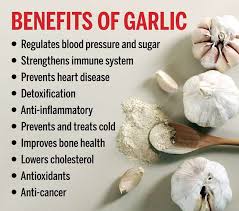
• Better Blood Pressure - Garlic has anti-inflammatory benefits and helps blood flow more easily through the body. 

• Lower Cholesterol - Garlic can also reduce cardiovascular disease risk by lowering your cholesterol. The key here is commitment. Like many natural remedies, it takes a while for the benefits of garlic to kick in, because you have to let the vitamins and minerals build up in your body. But adding garlic to your daily routine is a healthy way to develop a lifelong habit that can benefit your health year after year.

• Reduced Risk of Heart Disease - Garlic is natural at reducing heart disease risk because it lowers cholesterol and blood pressure. It’s also great at reducing your risk of heart disease by relaxing hardened blood vessels and preventing platelet aggregation.

Garlic increases production of nitric oxide which keeps blood vessels relaxed. It also prevents platelets from binding to proteins, which reduces blood clots. 

• Garlic for Colds and Flu - Digested garlic helps boost the immune system and reduces the severity and length of cold and flu symptoms.

• Better Athletic Performance - Ancient cultures used garlic to enhance the performance and reduce the fatigue of people doing physical labor. Eventually, the Olympic athletes in Greece started using garlic to enhance their athletic ability. Now modern athletes (and regular folks too) are using it to reduce exercise-induced fatigue.

• Stronger Bones - There is some evidence that garlic can help reduce bone loss by increasing estrogen in females, which can be a big win for your bone health after menopause. Adding a daily dose of garlic could help reduce your risk of osteoporosis and osteoarthritis. You still need to include other healthy foods to make a real impact on bone density—dairy products, green leafy vegetables, fish, and nuts are all good choices. But it’s easy to season your salmon and spinach dinner with garlic for some extra goodness.

• High blood pressure - Taking garlic by mouth seems to reduce systolic blood pressure (the top number) by about 7-9 mmHg and diastolic blood pressure (the bottom number) by about 4-6 mmHg in people with high blood pressure.

• Build up of fat in the liver in people who drink little or no alcohol (nonalcoholic fatty liver disease or NAFLD).- Taking garlic powder by mouth seems to help to improve liver health in people with NAFLD. People who eat more garlic also seem to be less likely to be diagnosed with NAFLD.

• Gum infection (periodontitis).- Taking aged garlic extract by mouth twice daily for 18 months can help improve gum health in people who have mild or moderate periodontitis.

• Improved Memory - Damage from free radicals contributes to aging, but garlic contains a powerful antioxidant to help battle that—S-allyl cysteine. This antioxidant shows promise in protecting against brain damage and keeping your brain functioning better as you age. It works by increasing your brain’s blood flow thanks to garlic’s ability to lower cholesterol and blood pressure. This means a reduced risk of brain disorders like dementia and Alzheimer’s disease.

• Enhances Skin - Garlic is a superfood because it has so many beneficial properties: antioxidant, antibacterial and antifungal. Which adds up to big benefits for your skin.

Got acne? Rub raw garlic over your bumps to kill bacteria. Just be careful and don’t overdo it if you have sensitive skin. Garlic’s antioxidant qualities come to the rescue to protect your skin and prevent damage from free radicals. Using a topical garlic extract over time may have anti-aging effects because garlic helps increase the growth and longevity of skin cells.

POSSIBLY INEFFECTIVE FOR :

• Stomach cancer - People who eat more garlic or take garlic supplements by mouth don't seem to have a lower chance of developing stomach cancer.

• Digestive tract infection that can lead to ulcers (Helicobacter pylori or H. pylori). - Taking garlic by mouth does not seem to help treat H. pylori infections.

SIDE EFFECTS.

• When taken by mouth: Garlic is likely safe for most people. It can cause side effects such as bad breath, heartburn, gas, and diarrhea. These side effects are often worse with raw garlic. Garlic might also increase the risk of bleeding and cause allergic reactions in some people.

• When applied to the skin: Garlic products like gels, pastes, and mouthwashes are possibly safe. But garlic might cause skin damage that is similar to a burn. Raw garlic is possibly unsafe when applied to the skin. It might cause severe skin irritation.

WARNING.

• Pregnancy and breast-feeding: Garlic is likely safe to take by mouth in the amounts normally found in food. Garlic is possibly unsafe when used in medicinal amounts during pregnancy and when breast-feeding. There isn't enough reliable information about the safety of applying garlic to the skin if you are pregnant or breastfeeding. Stay on the safe side and avoid use.

• Children: Garlic is possibly safe when taken by children in doses of up to 300 mg three times daily for up to 8 weeks. There isn't enough reliable information to know if garlic is safe when used in larger doses or for longer than 8 weeks. It is possibly unsafe to apply raw garlic to the skin. It might burn the skin.

• Bleeding disorder: Garlic, especially fresh garlic, might increase the risk of bleeding.

• Surgery: Garlic might prolong bleeding and interfere with blood pressure. Garlic might also lower blood sugar levels. Stop taking garlic at least two weeks before a scheduled surgery.

NOTE: It is not certain whether garlic is effective in treating any medical condition. Medicinal use of this product has not been approved by the FDA. Garlic should not be used in place of medication prescribed for you by your doctor.

Garlic is both tasty, nutritious and super healthy. With inevitably plausible reasons to include it in your diet.

Eat healthy, stay safe.


DISCLAIMER

This post is for enlightenment and should not be used as a replacement for professional medical diagnosis and treatments. Remember to always consult your healthcare provider before making any health-related decisions for any medical condition.

Obasi Kelechi.

Friday, 20 August 2021

Coconut, the amazing one-seeded drupe


COCONUT 

The wonder plant

By

Obasi Kelechi


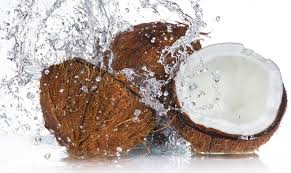
Refreshing coconut.

INTRODUCTION

The coconut tree (Cocos nucifera) is a member of the palm tree family (Arecaceae) and the only living species of the genus Cocos. The term "coconut" (or the archaic "cocoanut") can refer to the whole coconut palm, the seed, or the fruit.

The name comes from the old Portuguese word "coco",meaning "head" or "skull"; after the three indentations on the coconut shell that resemble facial features. They are ubiquitous in coastal tropical regions and are a cultural icon of the tropics.

First, what is coconut considered? A fruit? A nut? To make things more confusing, coconut can be a fruit, a nut, and a seed.

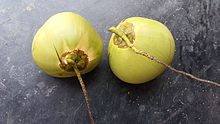
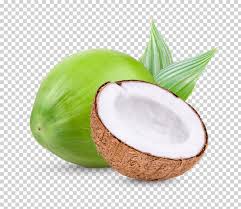
Technically it’s a fibrous one-seeded drupe; which consists of the hard exterior known as the exocarp, right past that layer is the husk (it looks brown and hairy), called the mesocarp. Inside that is the endocarp, which is the outside of the seed. Open up the seed and you will get to the white layer of coconut “meat” and liquid.

Coconut is the fruit of the coconut palm (Cocos nucifera). It's used for its water, milk, oil, and tasty meat. Coconuts have been grown in tropical regions for more than 4,500 years but recently increased in popularity for their flavor, culinary uses, and potential health benefits.

Coconuts are a versatile food commodity. They are being used in everything from our daily cuisine to our beauty regimens.

Coconuts are highly nutritious, rich in fiber, and packed with essential vitamins and minerals. From culinary creations to beauty potions, coconuts pack a good punch.

It has been dubbed,one of the most useful trees in the world and is often referred to as the "tree of life". It provides food, fuel, cosmetics, folk medicine and building materials, among many other uses. The inner flesh of the mature seed, as well as the coconut milk extracted from it, form a regular part of the diets of many people in the tropics and subtropics. Coconuts are distinct from other fruits because their endosperm contains a large quantity of clear liquid, called coconut water or coconut juice.

Mature, ripe coconuts can be used as edible seeds, or processed for oil and plant milk from the flesh, charcoal from the hard shell, and coir from the fibrous husk. Dried coconut flesh is called copra, and the oil and milk derived from it are commonly used in cooking (frying in particular) as well as in soaps and cosmetics. Sweet coconut sap can be made into drinks or fermented into palm wine or coconut vinegar. The hard shells, fibrous husks and long pinnate leaves can be used as material to make a variety of products for furnishing and decoration.

It has been dubbed, one of the most useful trees in the world and is often referred to as the "tree of life". It provides food, fuel, cosmetics, folk medicine and building materials, among many other uses.

-Obasi Kelechi.

The coconut palm is grown throughout the tropics for decoration, as well as for it's culinary and nonculinary uses; virtually every part of the coconut palm can be used by humans in some manner and has significant economic value.

The coconut has cultural and religious significance in certain societies, particularly in the Western Pacific Austronesian cultures where it features in the mythologies, songs, and oral traditions.

It has also acquired religious significance in South Asian cultures, where it is used in Hindu rituals. It forms the basis of wedding and worship rituals in Hinduism. It also plays a central role in the Coconut Religion of Vietnam. The falling nature of the mature fruit has led to preoccupation with death by coconut.


Coconut can be taken as food or used as medicine; Coconut is LIKELY SAFE when eaten in food amounts. Coconut is POSSIBLY SAFE when used as medicine. In some adults and children, eating coconuts might cause an allergic reaction. Symptoms may include skin rashes and difficulty in breathing.

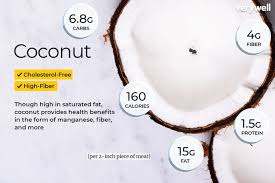
Coconut is generally regarded as a source of healthy fat. The meat contains protein and fiber, as well as some essential minerals such as: Iron, Manganese, rich in fiber and MCTs, it may offer a number of benefits, including improved heart health, weight loss, and digestion. Yet, it's high in calories and saturated fat, so you should eat it in moderation. Overall, unsweetened coconut meat makes a great addition to a balanced diet.

TYPES OF COCONUT PRODUCTS


• The raw white meat inside a coconut is referred to as the kernel. It has a firm texture and delicious, slightly sweet flavor.

If you have a whole coconut, you can scrape the raw meat out of the shell and eat it. In its processed form, you will usually find it sliced, shaved, or grated.

• Coconut milk and cream are made by pressing the raw, grated meat.

• Dried coconut meat is usually grated or shaved and used in cooking or baking. It can be further processed and ground into flour.

• Coconut oil is also extracted from the meat.

Coconut meat is tasty and slightly sweet, and you can enjoy it raw or dried. Many related products are produced from it, including coconut milk, cream, and oil.

HEALTH BENEFITS OF COCONUT


From lowering blood sugar levels to preventing urinary tract infections, here are the various benefits of coconut.


# Contains powerful antioxidants.

Coconut meat contains phenolic compounds, which are antioxidants that may help protect cells from oxidative damage. The main phenolic compounds identified include:-

• Gallic acid

• Caffeic acid

• Salicylic acid

• P-coumaric acid

Coconuts contain polyphenol antioxidants that can protect your cells from damage, which may reduce your disease risk.


# Highly nutritious

Unlike many other fruits that are high in carbs, coconuts provide mostly fat.

Although coconut meat is high in fat, the MCTs it contains may help you lose excess body fat. The meat also provides carbs and protein along with many essential minerals, such as manganese, copper, iron, and selenium.


# Supports immune system health: it is anti-viral, antibacterial, anti-fungal, and anti-parasite.


# Provides a natural source of quick energy and enhances physical and athletic performance.


# Improves digestion and absorption of nutrients, vitamins, and minerals.


# Improves insulin secretion and symptoms associated with diabetes.


# Helps protect the body from cancers through insulin reduction and removal of free radicals that cause premature aging and degenerative disease.


# Reduces the risk of heart disease and improves good cholesterol (HDL).

Eating coconut may improve cholesterol levels and help decrease belly fat, which is a risk factor for heart disease.


# Restores and supports thyroid function.


# Helps protect against kidney disease and bladder infection.


# Helps keep hair and skin healthy, prevents wrinkles, sagging skin, age spots, and provides sun protection.


# Promotes blood sugar control.

Coconut is low in carbs and high in fiber and fat, so it may help stabilize your blood sugar.

Coconut is low in carbs and rich in amino acids, healthy fats, and fiber, making it a great choice for blood sugar control.


# Easy to add to your diet.

Coconut is versatile in the kitchen and works well in both sweet and savory foods. It’s a great choice for those on low-carb, paleo, gluten-free, or nut-free diets.


Coconut oil extract


NOTE:

Increases Blood Cholesterol Levels: Eating too many coconuts can also be very harmful to our heart and increases the risk of cardiovascular problems like heart attack, heart stroke and irregular heartbeat.

Additionally, some people are allergic to coconuts, though this is rare. If you have this allergy, you should avoid consuming all coconut-derived products.


CONCLUSION.

Coconut is high in calories, so if you’re watching your weight, keep your portions small. Check with your healthcare provider about eating it if you have very high cholesterol or at risk of heart diseases.

Stomach aches after eating coconut could be a sign of fructose intolerance, a condition where your body doesn't properly break down fructose (the naturally-occurring sugar in fruits, some vegetables and honey). Symptoms of fructose intolerance include diarrhea, gas and abdominal pain.


Do you want to become a vegetarian or a vegan? Eating coconut can help you!

You can make many things with coconut, most of all it contains moderate protein.


Eat healthy, stay safe.


DISCLAIMER

This post is for enlightenment and should not be used as a replacement for professional medical diagnosis and treatments. Remember to always consult your healthcare provider before making any health-related decisions for any medical condition.


Obasi Kelechi.

Tuesday, 17 August 2021

The wonder culinary plant

 ONION

And it's health benefits

By Obasi Kelechi

Introduction

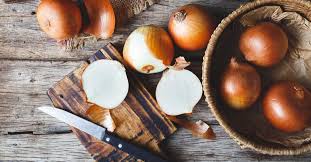
Onion, (Allium cepa), herbaceous biennial plant in the amaryllis family (Amaryllidaceae), grown for its edible bulb. The onion is likely grown throughout the world, chiefly in the temperate zones.

Onions are valued for their flavour and are used widely in cooking. They add flavour to such dishes as stews, roasts, soups, and salads and are also served as a cooked vegetable.

Onions, an amazing vegetable that is in almost every meal, it's more than just a tasty culinary plant. Onions are much more than most people think it is, because they contain nutrients which are beneficial to health either when consumed raw or used in cooking.

Onions non-arguably are a major ingredient in almost every meal and it packs tons of health benefits. Below are the benefits derived from onions.

Health Benefits

Onions have great nutritional benefits which include; rich in antioxidants, reduces the risk of cataracts, fights against cancer, improves digestion, helps to stimulate the immune system, lowers blood sugar level, it enhances the brain, boost energy, relieves earache, nourishes the skin, treatment of acne and pimples.

  • Rich in Antioxidants

Onions contain an antioxidant known as quercetin which eliminates the chances of inflammation and as well helps in preventing the body cells from damaging due to too many oxidation processes.

  • Reduces the Risk of Cataracts

Onions are good for the eyes, they contain sulphur which is known to be one of the minerals that helps improve the eye, this is so because the sulphuric compound is known as Allyl Propyl Disulfide. 

This is what causes the tear ducts to get irritated when cutting onions thereby washing the cornea as well as stimulating the effective production of glutathione (protein) which helps to reduce the chances and risks of cataracts, glaucoma and the rest.

  • Help Relieves Cold Symptoms

The presence of manganese in onions is good for the body because it contains anti-inflammatory abilities which help to relieve cold as well as flu.

  • Fights Against Cancer

Eating onions, mainly the red onions, can effectively help in the fight against cancer because of its high content of quercetin, and the presence of organ sulfur found in onions can as well help improve the heart conditions and reduce the chances of cardiovascular diseases.

  • Improves Digestion

It helps to improve digestion because of its fiber content. The body contains some healthy bacteria, and onion fiber helps in keeping the level of such bacteria normal.

Onion contains oligofructose, a special soluble fiber that promotes good bacteria growth in the intestines.

  • Helps to Stimulate the Immune System

Selenium present in onions helps to stimulate the proper functioning of the immune system and to also maintain a normal level of an immune response.

The anti-inflammatory properties of onions make it good for the respiratory system as it helps in the prevention and treatment of colds, asthma, pneumonia and other respiratory issues. Onions contain polyphenols that act as antioxidants that protect the body from free radicals so as to maintain a strong immune system.

  • Lowers Blood Sugar Level

Onion is an effective ingredient that lowers the level of blood sugar in the body, this is so because it contains what is called Allyl Propyl Disulfide which may help to increase the insulin amount in the body by decreasing the glucose levels.

A study on onions clearly showed that eating red onions can help in reducing the risk of getting Type 1 & 2 diabetes due to its ability to lower the level of glucose within 4 hours.

  • Enhances the Brain

A Sulfur compound found in onions named di-n-propyl trisulfide helps to increase memory impairment, therefore enhancing brain memory and overall health.

  • Boost Energy

The dietary fiber in onions slows digestion and keeps the energy levels active. It helps to increase the bulk stool due to adequate digestion thereby preventing the risk of constipation.

  • Relieves Earache

Although not scientifically proven, Onion juice helps to cure health problems by heating it up in the oven and squeezing out the juice, then adding a few drops to the infected ear. Onion juice is great medicine for curing ear ailments that many people aren’t aware of.

  • Nourishes the Skin

Onions are richly endowed with nutrients such as Vitamin A, C, and E, all of which promotes skin health. These vitamins protect the skin from free radicals and bacteria that cause premature aging. Studies indicate that vitamin C helps to keep the skin glowing and radiating.

This antioxidant also fights against the damages caused by the harmful ultraviolet rays on the skin and keeps it wrinkle-free. It protects the skin and leaves it radiating and soft.

Also applying fresh onion juice to the skin helps to boost blood circulation in the body and as well remove skin impurities due to the richness of phytonutrients and antioxidants.

  • Treatment of Acne and Pimple

Onion extract or cream that contains onion can be used in the treatment of acne and pimple on the face because it contains antimicrobial, antibacterial, antifungal, anti-inflammatory properties.

Onion juice as well is used to treat dark spots and pigmentation.

  • Beneficial for Stronger Hair Growth

Onion Juice is beneficial for hair growth due to its rich content of sulfur and keratin. This sulfur helps to stimulate collagen which promotes stronger hair growth and treating dandruff by killing the bacteria that causes the growth of dandruff.

Apply fresh onion juice on the hair and scalp basically for about 10 to 15 minutes and rinse with a shampoo and lukewarm water, it helps to increase blood supply to the hair follicles which helps to thicken the hair.

Onion juice also serves as a hair conditioner and scalp infection treatment, but in some cases where the smell of onion makes you uncomfortable, try to replace them with garlic as that also works well for hair growth.

  • Keeps the Teeth Healthy

Onions contain Sulphur compounds named thiosulfinates and thiosulfonates that help to reduce bacteria which tend to cause tooth decay. Its advised that eating them raw seems to be best,cooking it loses its beneficial compounds.

  • Improves Sleep and Reduces Depression

Onions contain folate and homocysteine, which studies show that it improves sleep and reduces depression. It also prevents chemicals from accumulating in the brain cells. Excess homocysteine collides with serotonin, dopamine, and norepinephrine that enhances sleep and mood.

  • Helps to Prevent Blood Clotting

A chemical compound named rutin is found in Onions which helps to prevent blood clotting in the body. Several studies on rats indicate that rutin is the most potent anti-thrombotic compound.

Clotting occurs in the arteries and veins, and in arteries, the clot is rich in platelets while in veins they are rich in fibrin.

  • Bites and Stings Treatment

Onions are also an active medicine for treating stings and bites. It contains anti-inflammatory properties that help to reduce pain and healing wounds faster so as to avoid swelling and itching.

For this process, just slice the onion and place it in the area of the bite or sting and it will go a long way in healing the wound faster.

  • Oxidative Stress Protection

Onion juice helps to moderate oxidative stress in the body. The quercetin onion juice helps to prevent diseases that relate to oxidative stress and protects the DNA against damage caused by oxidative stress.

A recent study indicates that onions also help to lower diabetes which is an accumulated oxidative stress in the body.

  • Improve Sexual Health

Onion Juice benefits a lot to men as it increases their fertility level especially when mixed with honey. It helps in erectile dysfunction and managing of sexual impotence.

Nutritional Value of Onions

Nutrients contained in onions include folate, phosphorus, potassium, vitamin C, iron, selenium, vitamin B6, manganese, calcium, sulfur etc. Some of these nutrients are contained in small properties and some in larger proportions.

Conclusion

Prebiotics such as oligofructose is one of the soluble fibers in onions that prevent diarrhea, ease constipation and stomach ache.

Also, eliminate the chances of gastric ulcers but it is also good to know that the same onions contain thiosulfates which act as antibacterial properties and can as well cause harm to those beneficial and healthy bacteria.

It has been debated severally whether onions is good or bad for the human health, but the truth is that generally, onions are good for the body but when taken in excess can decrease the rate at which lithium is expelled from the body which can cause twitching, confusion, diarrhea, slurred speech and more.

Eat healthy, stay safe.

DISCLAIMER

This post is for enlightenment and should not be used as a replacement for professional medical diagnosis and treatments. Remember to always consult your healthcare provider before making any health-related decisions for any medical condition.

Obasi Kelechi.